
I spent 15 years working in hospitality here in Lake Tahoe. While writing a tidbit here and there for restaurants before I ever wrote a single word of marketing copy. The psychology-driven hospitality marketing was already built into KPCopy's DNA...
And honestly? That's exactly why the copy works.
Because here's what I learned opening restaurants, training staff, and watching thousands of dining decisions unfold in real-time: Restaurant marketing isn't really about marketing at all.
It's about understanding why people choose one place over another when they're hungry, tired, celebrating, or just need to feed their family on a Tuesday night.
Most restaurant marketing treats potential customers like they're rational decision-makers carefully weighing options… But after watching humans make dining decisions for over a decade and a half, I can tell you: we're all just emotional beings with a psychology degree's worth of invisible triggers influencing every choice.
And when you understand those triggers? Everything changes.
And honestly? That's exactly why the copy works.
Because here's what I learned opening restaurants, training staff, and watching thousands of dining decisions unfold in real-time: Restaurant marketing isn't really about marketing at all.
It's about understanding why people choose one place over another when they're hungry, tired, celebrating, or just need to feed their family on a Tuesday night.
Most restaurant marketing treats potential customers like they're rational decision-makers carefully weighing options… But after watching humans make dining decisions for over a decade and a half, I can tell you: we're all just emotional beings with a psychology degree's worth of invisible triggers influencing every choice.
And when you understand those triggers? Everything changes.
The Psychology They Don't Teach in Marketing School
My psychology degree taught me a lot about human behavior. My 15 years in hospitality taught me how that behavior actually shows up when someone's standing on the sidewalk deciding where to eat.
People don't choose restaurants based on logic. They choose based on feelings they can't always articulate.
"This place feels like me."
"I trust they'll get it right."
"I can already imagine myself there."
Traditional restaurant marketing misses this completely. It focuses on features ("farm-to-table," "award-winning," "family-friendly") when people are really making decisions based on whether a place passes their internal vibe check.
The restaurants that consistently fill tables aren't necessarily the ones with the best food or the biggest marketing budgets. They're the ones that understand the psychology of the decision-making moment and design their entire marketing strategy around it.
People don't choose restaurants based on logic. They choose based on feelings they can't always articulate.
"This place feels like me."
"I trust they'll get it right."
"I can already imagine myself there."
Traditional restaurant marketing misses this completely. It focuses on features ("farm-to-table," "award-winning," "family-friendly") when people are really making decisions based on whether a place passes their internal vibe check.
The restaurants that consistently fill tables aren't necessarily the ones with the best food or the biggest marketing budgets. They're the ones that understand the psychology of the decision-making moment and design their entire marketing strategy around it.
The Real Reason People Choose Restaurants
Watching real humans from all over the world, for a decade plus make real dining choices, here's what I've observed:
Decision triggers aren't rational. Someone doesn't wake up thinking "I need a restaurant with locally-sourced ingredients and craft cocktails." They wake up thinking "I want to feel taken care of today" or "I need somewhere that gets my weird dietary thing without making me feel weird about it."
Social proof drives everything. Not reviews (though those matter) — I'm talking about the subtle signals that this place is for "people like me." The photos, the language, the vibe.
People are constantly asking themselves:
"Will I fit in here?
"Will they understand what I want?"
Anticipation matters more than the meal itself. The most powerful marketing makes people hungry for the experience before they ever taste the food.
When someone's already imagining themselves at your bar, smelling your kitchen, feeling welcomed by your staff — you've already won.
Consistency builds trust faster than perfection. People forgive a lot when they trust you. They don't forgive feeling uncertain about what they're walking into.
Most restaurants market features when they should be marketing feelings.
And that gap? That's costing them customers every single day.
Decision triggers aren't rational. Someone doesn't wake up thinking "I need a restaurant with locally-sourced ingredients and craft cocktails." They wake up thinking "I want to feel taken care of today" or "I need somewhere that gets my weird dietary thing without making me feel weird about it."
Social proof drives everything. Not reviews (though those matter) — I'm talking about the subtle signals that this place is for "people like me." The photos, the language, the vibe.
People are constantly asking themselves:
"Will I fit in here?
"Will they understand what I want?"
Anticipation matters more than the meal itself. The most powerful marketing makes people hungry for the experience before they ever taste the food.
When someone's already imagining themselves at your bar, smelling your kitchen, feeling welcomed by your staff — you've already won.
Consistency builds trust faster than perfection. People forgive a lot when they trust you. They don't forgive feeling uncertain about what they're walking into.
Most restaurants market features when they should be marketing feelings.
And that gap? That's costing them customers every single day.
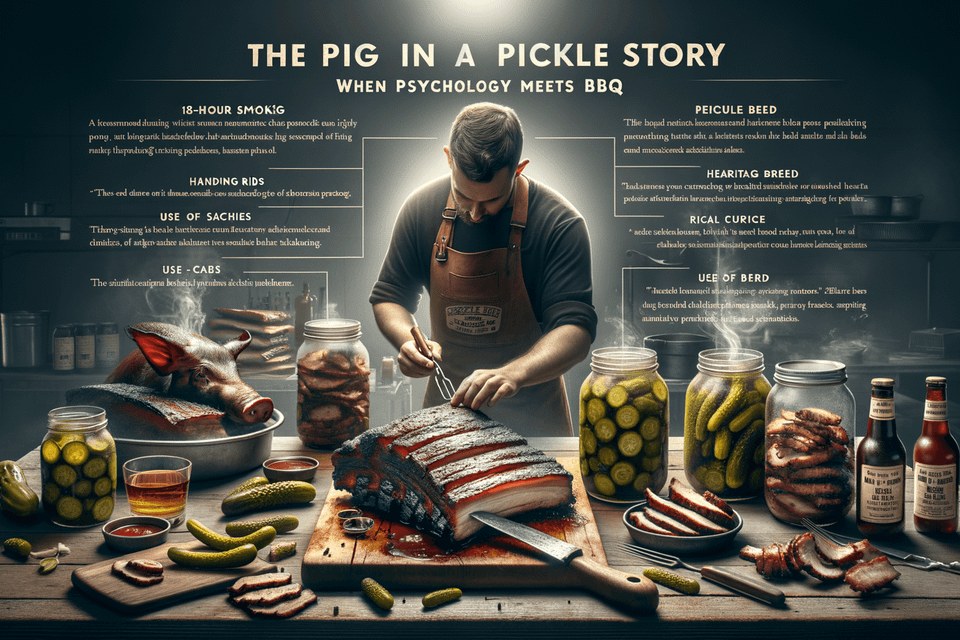
The Pig in a Pickle Story: When Psychology Meets BBQ
Let me tell you about what happens when you apply actual psychology to restaurant marketing instead of just throwing spaghetti at the Instagram wall.
Pig in a Pickle BBQ in Corte Madera and Emeryville is a Michelin Bib Gourmand restaurant doing something remarkable: They've built a BBQ spot that attracts both the "I just want ribs" crowd and the "Tell me about your heritage breed sourcing" crowd. And they're keeping both groups completely happy.
When we started working together, they already had incredible food and a great reputation. But their marketing wasn't telling the complete story of why they're special. It wasn't tapping into the psychological triggers that turn casual browsers into loyal regulars.
Here's what we did:
We stopped describing and started storytelling. Instead of "quality meats," we explained their 18-hour smoking process, their obsession with sourcing from specific ranches, and why they make everything from scratch down to the pickles.
We made it impossible to miss their craft.
We gave people permission to care.
Some people just want good BBQ.
Others want to know about the Duroc heritage pork and the house-made sauces from regional recipes. We created content that served both without making either group feel like they were reading the wrong menu.
We built trust through transparency. Behind-the-scenes content showing 5 AM prep work, the testing, the attention to detail. When people see your process, they understand your prices, your timing, your choices.
We made their values visible. Sustainability, craft, quality, community support… these weren't marketing buzzwords. They were operational realities that we simply made more visible to people who care about those things.
The results? A 22% increase in SEO performance. More importantly: people showing up already understanding what makes Pig in a Pickle special.
They're not coming in asking "What's good?" — they're coming in asking "Can I get the Brandt Family Farms brisket I read about?"
That's the difference between marketing that informs and marketing that transforms.
Pig in a Pickle BBQ in Corte Madera and Emeryville is a Michelin Bib Gourmand restaurant doing something remarkable: They've built a BBQ spot that attracts both the "I just want ribs" crowd and the "Tell me about your heritage breed sourcing" crowd. And they're keeping both groups completely happy.
When we started working together, they already had incredible food and a great reputation. But their marketing wasn't telling the complete story of why they're special. It wasn't tapping into the psychological triggers that turn casual browsers into loyal regulars.
Here's what we did:
We stopped describing and started storytelling. Instead of "quality meats," we explained their 18-hour smoking process, their obsession with sourcing from specific ranches, and why they make everything from scratch down to the pickles.
We made it impossible to miss their craft.
We gave people permission to care.
Some people just want good BBQ.
Others want to know about the Duroc heritage pork and the house-made sauces from regional recipes. We created content that served both without making either group feel like they were reading the wrong menu.
We built trust through transparency. Behind-the-scenes content showing 5 AM prep work, the testing, the attention to detail. When people see your process, they understand your prices, your timing, your choices.
We made their values visible. Sustainability, craft, quality, community support… these weren't marketing buzzwords. They were operational realities that we simply made more visible to people who care about those things.
The results? A 22% increase in SEO performance. More importantly: people showing up already understanding what makes Pig in a Pickle special.
They're not coming in asking "What's good?" — they're coming in asking "Can I get the Brandt Family Farms brisket I read about?"
That's the difference between marketing that informs and marketing that transforms.
The Content Strategy That Fills Tables
Based on my experience and working with restaurants across California and Nevada, here's the content framework that consistently works:
The Expertise Posts
Don't just say you're good at something. Prove it with content that showcases genuine knowledge."Why We Age Our Steaks for 28 Days" beats "Try Our Mouth-watering Steak" every single time.
One demonstrates expertise.
The other just makes a claim.
People trust restaurants that clearly know what they're doing. Show your craft, explain your choices, share what you've learned through thousands of services.
The Sourcing Stories
Where your ingredients come from matters to more people than you think. And even for people who don't consciously care, these stories build subconscious trust.When you explain why you do the research to have cornmeal shipped across the country in a refrigerated truck, you're not just talking about cornbread. You're demonstrating the care that goes into everything you do.
The Behind-the-Scenes Reality
The 5 AM bread baking. The sauce recipes tested seventeen times. The staff meeting where you problem-solved the new menu timing. This content makes your restaurant feel real, human, trustworthy.People don't just want to see the finished plate. They want to feel connected to the care that went into it.
The Community Connections
How you show up in your community tells people who you are. Supporting local suppliers (which don’t get me wrong- Pig in a Pickle tries as much as they can to do this), celebrating regular customers, participating in neighborhood events — these aren't just nice things to do.They're marketing that builds authentic connection.
Every piece of content should answer the subconscious question: "Is this place for me?"
The Local Discovery Advantage
Here's what most restaurants get wrong about SEO: they're trying to rank for "best restaurant" when they should be dominating searches for exactly what they do best.After managing premium brand portfolios at companies like Coastal Pacific Wine & Spirits (where I earned California Rookie of the Year working with brands like Moët Hennessy and Diageo), I learned something crucial: you don't need to be everything to everyone.
You need to be unmistakably something to someone.
The farm-to-table place shouldn't compete with every restaurant in town. They should own searches for "local farm partnerships," "seasonal menus," and "sustainable dining" in their area.
The craft cocktail bar doesn't need to rank for generic bar searches. They should dominate "house-made bitters," "classic cocktail techniques," and "mixology expertise."
This happens when your content consistently demonstrates expertise around specific topics that matter to your ideal customers. Search engines notice. More importantly, the right people find you.
The Psychology of Menu Marketing
Your menu isn't just a list of dishes. It's a psychological tool that can dramatically influence both what people order and how much they enjoy it.Descriptive language activates imagination. "Salmon" versus "Today's wild-caught salmon from Monterey Bay" — one is a word, the other is an experience people can anticipate.
Origin stories increase perceived value. People literally taste food differently when they know its backstory. This isn't marketing fluff — it's documented psychology.
Specificity builds trust. "Fresh vegetables" is generic. "Baby carrots from Suzie's Farm delivered this morning" is a promise people can evaluate.
The restaurants with the highest check averages and most loyal customers aren't necessarily the fanciest. They're the ones that make every menu item feel considered, intentional, special.
The Trust-Building Content Ecosystem
Based on years of building marketing campaigns for premium brands and hospitality businesses, here's the framework that works:Your Website: Not a digital brochure anymore. A destination that makes people understand your restaurant before they ever walk through the door. Every page should make someone more excited about visiting, not less.
Your Blog: Weekly content that demonstrates expertise, shares stories, and makes you impossible to ignore in search results. This is where you build authority around what makes you special. (Also, helps your SEO/AEO tremendously.)
Social Media: Teasers that drive people to your website for the full story. Beautiful photos with captions that make people curious enough to learn more.
Email: For people who are already fans and want the inside scoop. Advance notice of specials, seasonal stories, content that makes them feel like insiders.
Everything working together to build trust, demonstrate expertise, and make your personality impossible to miss.
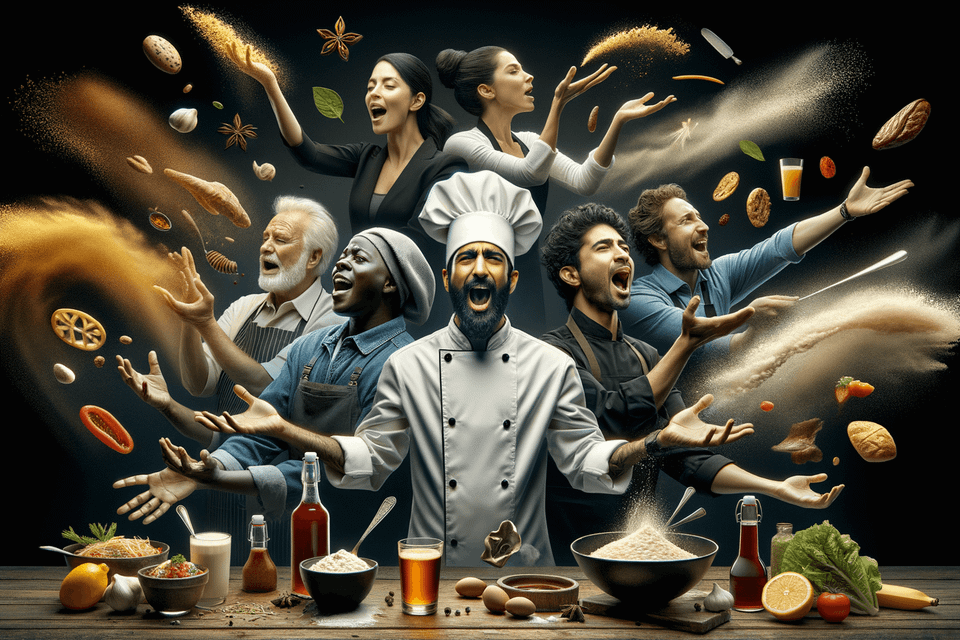
The Gap That's Costing You Customers
Here's the hard truth I see constantly: most restaurants have more personality, more expertise, more story than they show online.Walk into any great restaurant, and you'll find characters, traditions, obsessive attention to detail, and stories that would make people genuinely excited.
But somehow, when it's time to write website copy, everyone turns into beige corporate vanilla.
The chef who talks for 20 minutes about the perfect risotto technique becomes "We serve Italian cuisine."
The owner who knows every regular's order and remembers their kids' names becomes "Family-friendly atmosphere."
The bartender who spends weekends experimenting with house-made syrups becomes "Craft cocktails available."
Your restaurant isn't a press release.
It's a living story that unfolds every service.
Start treating it like one.
The Bottom Line: Psychology Beats Budget
Here's what I know for certain:The restaurants winning in today's market aren't the ones with the biggest marketing budgets.
They're the ones that understand the psychology of how people really choose where to eat.
They know that trust matters more than trendiness.
That consistency beats perfection.
That people don't choose restaurants — they choose experiences they can already imagine themselves having.
When you align your marketing with how humans actually make decisions, when you showcase expertise instead of just claiming it, when your content makes your care impossible to miss — that's when everything changes.
That's when social media clicks turn into reservations. When search traffic turns into regulars. When your restaurant stops being the best-kept secret and starts being the place people actively recommend.
The question is: what's the gap between who you are and how you show up online? And what's it costing you?
Ready to close that gap and fill more tables with the right customers?
Let's talk about what psychology-driven marketing could do for your restaurant. Schedule a consultation to discuss your specific situation, or check out more hospitality marketing insights here.